
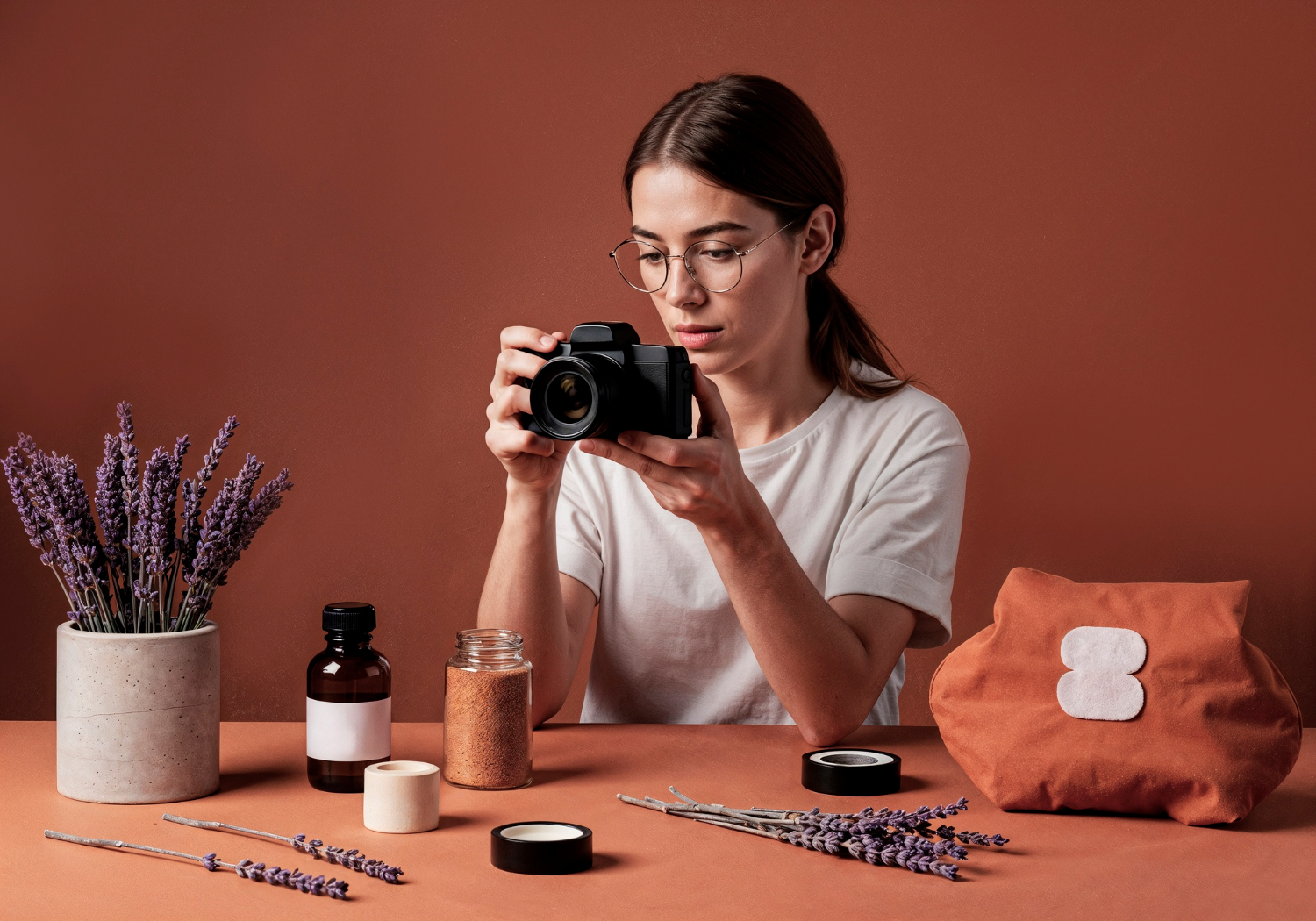
In today’s visually driven world, the importance of product photography cannot be overstated. A captivating image can make the difference between a sale or a missed opportunity.
Whether you’re a small business owner, an e-commerce giant, or a creative professional, understanding the nuances of product photography can elevate your brand and enhance your marketing efforts.
In this article, we will explore the essential elements of product photography, from studio lighting techniques to effective product styling, and how to create high-quality visuals that resonate with your audience.
The Essence of Product Photography
Product photography is not just about taking pictures; it’s about telling a story.
The goal is to showcase products in the best possible light literally and figuratively so that potential buyers can envision them in their lives. This section will cover the core aspects that define effective product photography.
What is Product Photography?
Product photography refers to the specialized field within commercial photography focused on capturing images of products for advertising and catalog purposes. It aims to highlight the features, details, and beauty of products in an appealing way that attracts customers.
Why is Product Photography Important?
- Enhances Brand Image: High-quality visuals can bolster a brand’s reputation.
- Boosts Sales: Effective product images can significantly increase conversion rates.
- Improves SEO: Well-optimized images can enhance your website’s search engine ranking.
The Role of E-Commerce Images
In the realm of online shopping, e-commerce images are paramount. They serve as a virtual representation of products that customers cannot physically touch or try on. Here are some key factors to consider:
- Multiple Angles: Presenting products from different perspectives helps customers make informed decisions.
- Contextual Use: Showing products in use can help illustrate their functionality.
- Diverse Settings: Incorporating lifestyle shots alongside standard product photos adds depth to your presentation.
Essential Elements of Product Photography
To achieve stunning product images, several components come into play. Mastering these elements will help you create compelling visuals that stand out in a crowded marketplace.
Studio Lighting Techniques
The right lighting can transform a mundane photo into a breathtaking one. Here are some techniques to harness studio lighting effectively:
Types of Lighting
- Main Light: This is your primary light source and should be positioned at an angle to create depth.
- Fill Light: Use this to soften shadows created by the main light for a balanced look.
- Backlight: This technique helps create separation between the subject and background, adding dimension.
Lighting Equipment
This equipment can enhance your lighting setup:
- Softboxes: These diffusers provide soft, even lighting ideal for product photography.
- Ring Lights: A great choice for smaller items, offering uniform lighting with minimal shadows.
- Shoot-Through Umbrellas: Perfect for spreading light over larger areas while reducing harshness.
The Art of Product Styling
Product styling plays an integral role in creating visually appealing images. Here’s how you can style products effectively:
Selecting Backgrounds
A clean background often works best for showcasing products. Consider these options:
- White Backgrounds: Ideal for e-commerce images as they provide consistency and focus on the product.
- Themed Backgrounds: Use backgrounds that resonate with your brand or product theme to evoke emotions.
Add Props Wisely
If used correctly, props can enhance your image without overshadowing the main subject.
Here are tips for using props effectively:
- KISS Principle: Keep it simple! Choose props that complement but do not distract from the product.
- Cohesive Colors: Select props that share a color palette with the product for visual harmony.
Tips for Capturing High-Quality Visuals
A few practical tips can make all the difference when capturing high-quality visuals:
- Select the Right Camera Settings:
- Aperture: Use a smaller aperture (higher f-stop number) for better depth of field.
- ISO: Keep ISO low (100-200) to minimize noise and maintain image clarity.
- Edit Your Images:
- Cropping: Remove unnecessary space around your subject for a cleaner look.
- Tweaking Colors: Adjust white balance and saturation levels for more vibrant colors.
- Add Consistency:
- Create templates for style guides to ensure uniformity across all images.
- Aim for similar lighting conditions during shoots to maintain consistency in tone and feel.
The Impact of Product Photography on E-Commerce Success
The relationship between effective product photography and e-commerce success is undeniable. Here’s how investing in high-quality visuals pays off:
The Connection Between Product Photography and Conversion Rates
This table illustrates how significant the impact of quality images can be on conversion rates.
By providing customers with visually compelling representations of products, businesses can significantly improve their chances of making sales.
The Future of Product Photography
The evolution of technology continues to shape the landscape of product photography.
Trends such as 360-degree views, augmented reality (AR), and even AI-generated imagery are becoming increasingly prevalent. Staying updated with these trends will help businesses remain competitive in an ever-changing market landscape.
The Role of Social Media in Product Photography
An engaging social media presence is essential in today’s digital age.
Quality images play a vital role in attracting followers and driving engagement on platforms like Instagram and Pinterest. Here are some strategies:
- User-Generated Content (UGC): Encourage customers to share photos using your products to build community and authenticity.
- Create Shareable Content: Develop visually striking graphics or infographics related to your products that encourage sharing.
Conclusion
This comprehensive guide has explored the multifaceted world of product photography highlighting its importance, essential techniques like studio lighting and product styling, and its profound impact on e-commerce success.
By focusing on creating high-quality visuals tailored to your brand’s identity, you will not only attract potential customers but also foster trust and credibility within your market segment. As you advance in your journey with product photography, remember that practice makes perfect; always strive for improvement with each shoot!
FAQs about Product Photography
What equipment do I need for good product photography?
You will need a good quality camera (DSLR or mirrorless), tripod for stability, lighting equipment (soft boxes or ring lights), backdrops (white or themed), and possibly props depending on your styling needs.
How do I create a cohesive look across my product images?
Create a style guide that outlines color palettes, backgrounds, types of lighting, and angles to be used consistently across all images. Regularly review previous photos to ensure adherence to this style guide during new shoots!
Can I do product photography without professional equipment?
You can certainly start with basic equipment like smartphones if they have good cameras! Utilize natural light instead of expensive lighting setups by shooting near windows during optimal daylight conditions. Over time you may want to invest in more advanced gear as your skills improve!
Pitfalls to avoid in product photography?
Avoid cluttered backgrounds that detract attention from your products, overexposed or underexposed photos due to poor lighting management, and inconsistent editing styles that could confuse viewers about your brand identity!
What are some post-processing tips for enhancing product photos?
Edit your photos using software like Adobe Photoshop or Lightroom; focus on adjusting brightness/contrast levels, cropping appropriately, sharpening details as needed without making them look unnatural